Aliyah from France: a "qualitative" demand reshaping certain markets
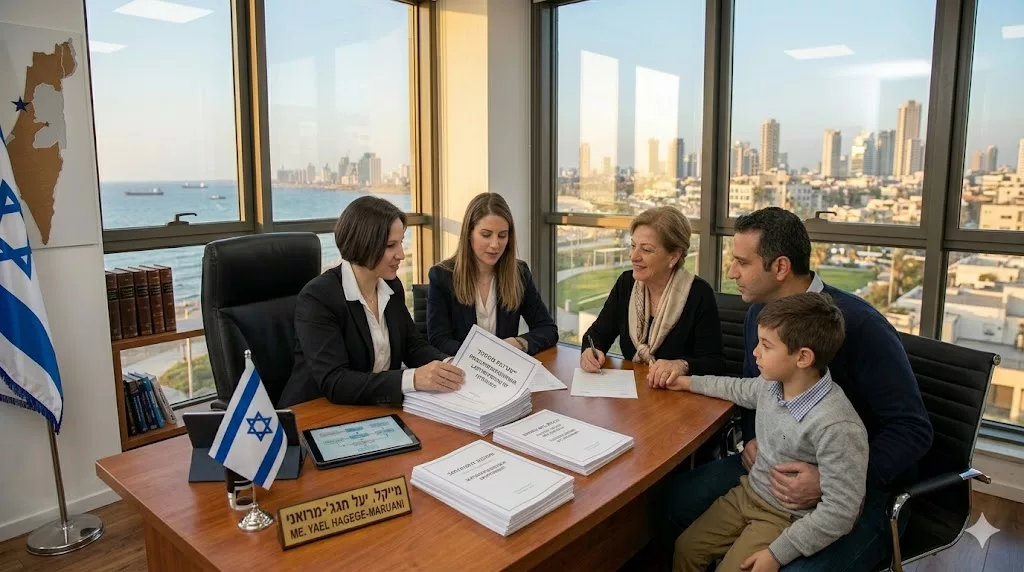
The aliyah of French Jews to Israel is not only a strong human and Zionist story; it also constitutes a concrete economic variable that generates "qualitative" residential demand and strengthens certain urban markets — primarily through purchases intended for habitation or future settlement, rather than through short-term real estate speculation.
In terms of data, Israel experienced an exceptional year for immigration in 2023, with 74,714 new immigrants in total. Among them, 2,211 came from France, representing about 3% of total new arrivals that year, compared to 1,006 in 2022. In 2025, Israeli media, based on figures from the Ministry of Integration and the Jewish Agency, indicated that about 3,300 immigrants arrived from France — an increase of about 45% compared to 2024 (where about 2,200 French immigrants had been recorded).
For the real estate market, this means continuous demand — certainly moderate on a national scale, but significant and perceptible in the geographical areas where it concentrates, as well as in projects that correspond to the specific expectations of this audience.
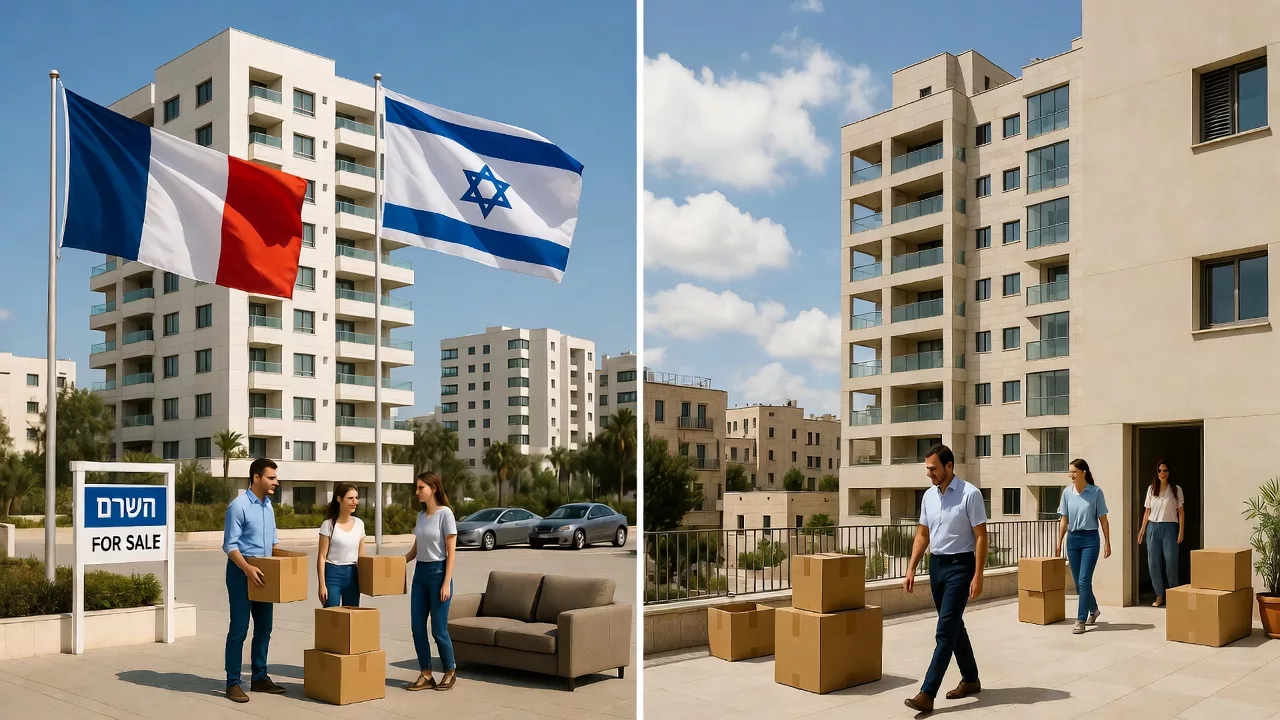
The most notable impact is not uniform across the country, but manifests in well-identified demand centers, where appropriate community and linguistic infrastructures already exist: Netanya, Jerusalem, Ashdod, Ra'anana and their surroundings. On the ground, market players clearly indicate that in Netanya, a significant portion of demand in certain projects comes from French buyers, including in the high-end segment. These are often purchases made "in anticipation of aliyah" or as a security solution facing rising antisemitism in Europe.
This point is essential: this demand tends to be relatively rigid — less sensitive to short-term cyclical fluctuations, and more linked to family, educational, community and identity considerations. It can therefore contribute to price stability and maintaining transaction volumes, particularly during periods of local demand slowdown.
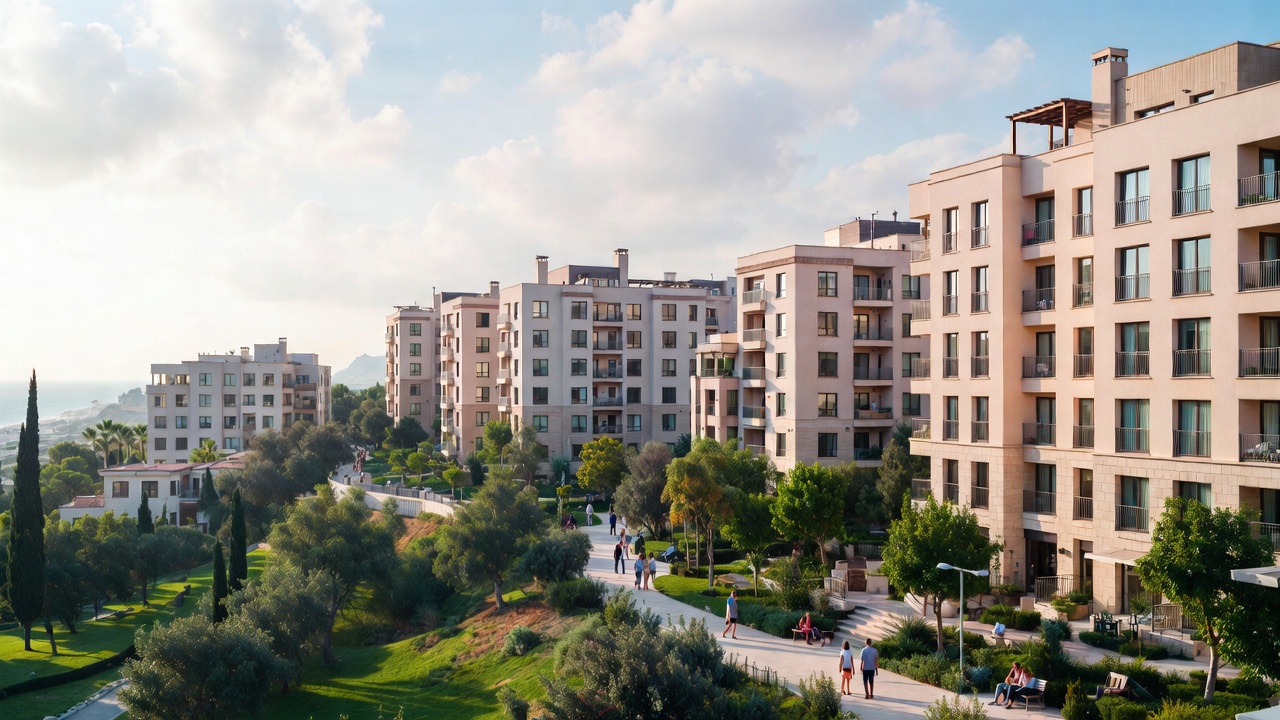
From an economic perspective, the positive contribution of French aliyah to the real estate market is not limited to increasing the number of buyers. It is also characterized by a demand profile that stimulates supply quality. Many immigrants — or aliyah candidates — favor new or renovated housing, meeting high standards: elevator, security room (mamad), spacious balconies, private parking and modern design.
This represents an advantage for developers capable of offering superior finishing and service levels, and sometimes allows ensuring sufficient pre-marketing rates to launch projects more quickly. Thus, even if local price pressure may appear in certain neighborhoods, a parallel mechanism favors supply acceleration and housing stock expansion — contributing to a more balanced market in the long term, rather than to a speculative bubble.
In the medium and long term, the aliyah of French Jews can be considered as a targeted but qualitative support factor. The volumes themselves do not transform the entire Israeli real estate market — largely determined by construction starts, interest rates, taxation, infrastructure and employment — but they redraw the demand map in certain cities and for certain products: family housing near schools, projects integrated into structured communities, well-connected neighborhoods offering services in French.
When this specific demand meets adapted and well-planned supply, the result can be beneficial for the entire market: strengthened neighborhoods, improved municipal services, better visibility for development projects and a sustainable demand base that stabilizes the sector.
Ultimately, the aliyah of French Jews does not simply represent additional demand — it constitutes oriented demand, socially and economically anchored, capable of contributing to a healthier real estate market: less speculative, more based on permanent settlement and building a future.