Properties for Sale in Tel Aviv
676 listings found
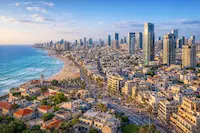
Tel Aviv — "the hill of spring" — is Israel's most expensive and dynamic real estate market. The country's economic, cultural and technological capital, the city attracts investors from around the world. With its warm beaches, terrace cafes and permanent energy, it's nicknamed the city that never stops.
Founded in 1909 on a sand dune near Jaffa by a settler association called "Ahuzat Bayit", Tel Aviv became in one century the hub of finance, fashion, media and tech — nicknamed "Silicon Wadi". It was here that David Ben Gurion proclaimed the State of Israel on May 14, 1948, in the house of mayor Meir Dizengoff. In 2003, UNESCO classified the city as a World Heritage site for its unique concentration of 2,500 Bauhaus buildings — the "White City".
The contrast with Jerusalem is striking: 45 minutes of road separate them, but 2,000 years of history. Jerusalem is timeless, a city of golden stone. Tel Aviv is liberated, alive, turned toward the future. Like Manhattan or London, you have the feeling of being in the right place at the right time.
Today, Tel Aviv-Yafo has about 470,000 inhabitants, and more than 1.5 million in the metropolis. The municipality is divided into two distinct centers: historic Jaffa to the south — an ancient port city 4,000 years old, with its stone alleys, art galleries and flea market — and modern Tel Aviv extending north and east with its wide tree-lined avenues and glass towers.
The most sought-after neighborhoods
Neve Tzedek — the city's most prized neighborhood. Cobbled streets, renovated houses, designer boutiques, gourmet restaurants. Founded in 1887, before Tel Aviv itself, it has become the symbol of urban luxury. Top prices.
Rothschild and Lev Hair — Rothschild Boulevard is Tel Aviv's most iconic address. Bauhaus buildings, startup headquarters, trendy cafes. Among the highest prices, driven by demand from high-tech executives and expatriates.
North Tel Aviv (Hayarkon) — the upscale family neighborhood. Close to French schools, quiet streets, green spaces around Hayarkon Park. The choice of francophone and anglophone families with children.
Florentin — the artsy and creative neighborhood to the south. Street art, bars, galleries, young atmosphere. Prices are relatively more accessible than in the center, making it a gateway for investors.
Jaffa — a spectacular transformation. The former Arab port now hosts luxury projects, renovated lofts and restaurants among the country's best. Prices are rising fast, the potential remains significant.
The real estate market in Tel Aviv
For a 4-room apartment, expect between ₪5,000,000 and ₪9,000,000 depending on the neighborhood. The price per square meter varies from ₪55,000 to ₪85,000. The gross rental yield is 2.5 to 3.5% — lower than in other cities, but compensated by constant price appreciation in the long term.
The typical buyer profile: international investors, tech sector executives, expatriates, and high-end buyers looking for a premium asset in a city with strong demand. Tel Aviv is not the yield market — it's the wealth value market.
To go further: check our comparison of the best cities to invest in Israel or our complete purchase process guide.
 À la une Sale 5
With not missing!,Pleasant apartment,with terrace,Well arranged,Calm,Clear,Splendid,New, Near to the sea,Renovated,Roomy
15 April 2026 Duplex
Sokolov
 À la une Sale 6
With terrace, quiet, close to the sea, not to be missed! Well designed, bright, spacious
5 March 2026 Villa
Dizengoff
 À la une Sale 6
 Recommandé Sale 6
Beautiful renovated 3-room apartment with terrace, spacious and bright - Don't miss out!
16 April 2026 Apartment
City Center
 Sale 5
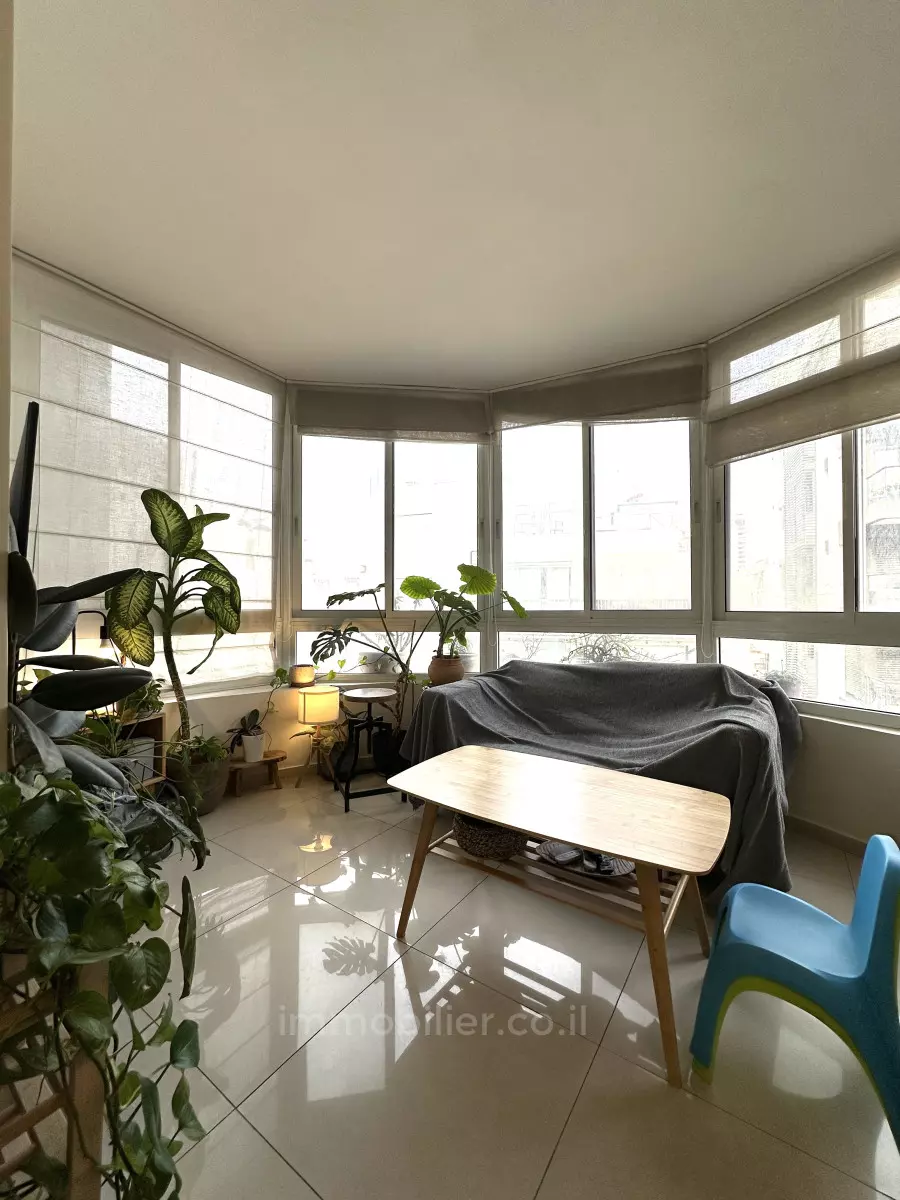
2 minutes from the sea, near Royal Beach
16 April 2026 Apartment
quarter of the sea
 Sale 6
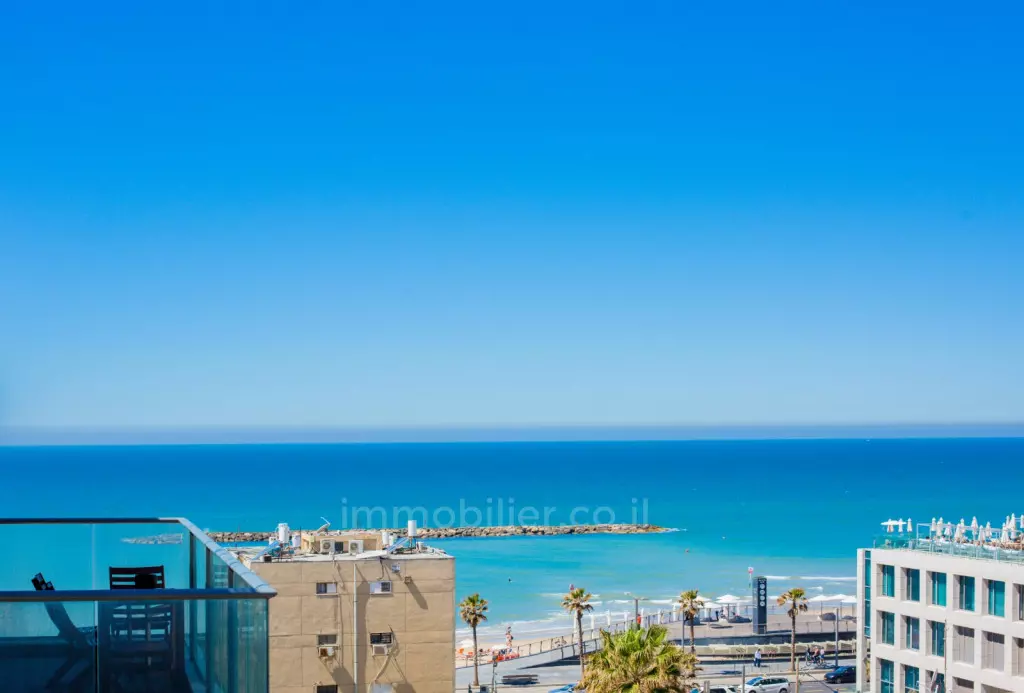
Ideal pied-à-terre 10 min from the sea - parking, elevator, balcony - new building near Gordon Beach
16 April 2026 Apartment
quarter of the sea
 Recommandé Sale 6
with terrace,Calm,Balcony on the sea, Near to the sea,Sight on the sea,With not missing!,Pleasant apartment,Clear,Splendid,Renovated,quality project
16 April 2026 Duplex
quarter of the sea
 Exclusive Sale 6
16 April 2026 Apartment
Rothshild
 Sale 6
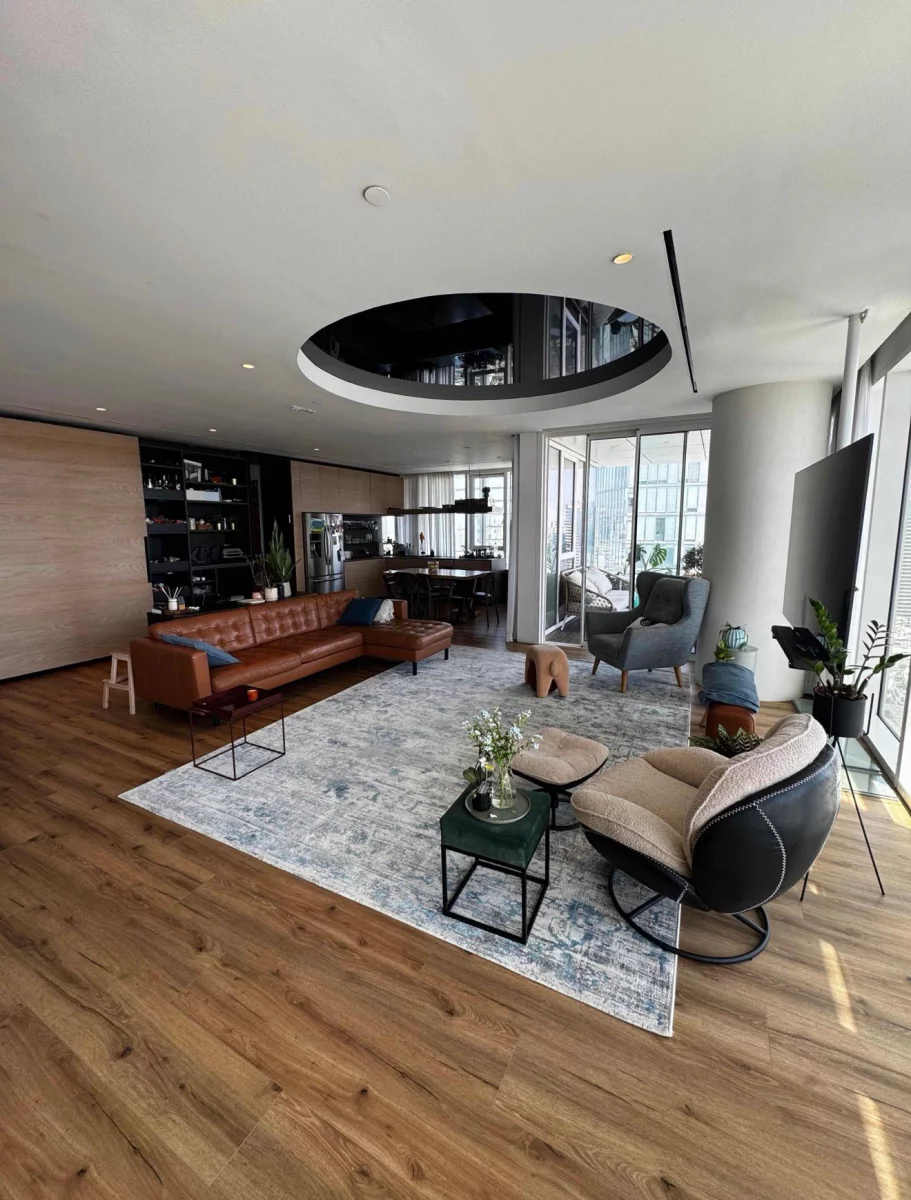
Magnificent ground floor located in North Tel Aviv
16 April 2026 Villa
City Center
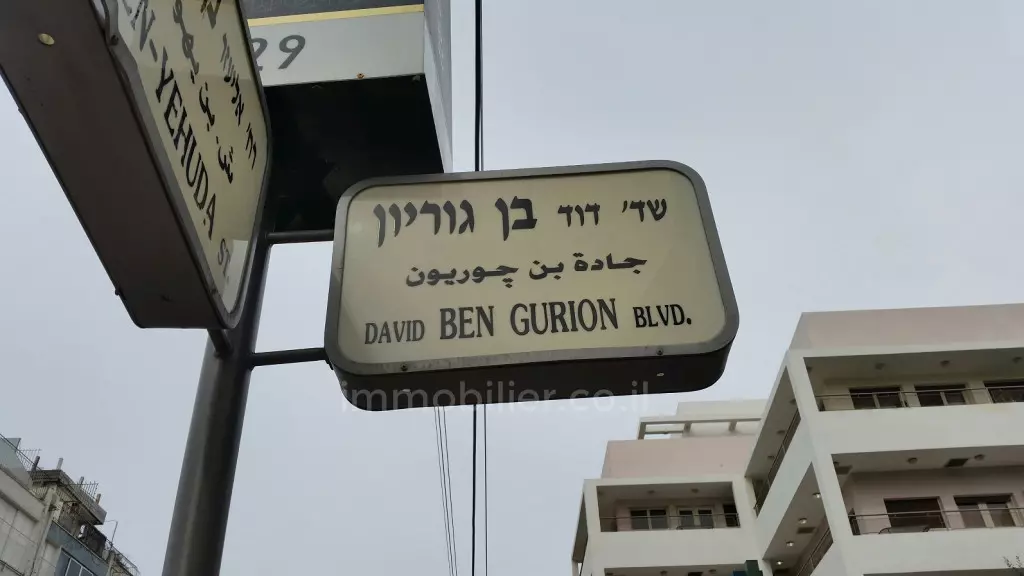 Sale 9
Magnificent apartment with balcony and elevator, beautiful high ceilings, renovated with charm
16 April 2026 Apartment
quarter of the sea
 Sale 10
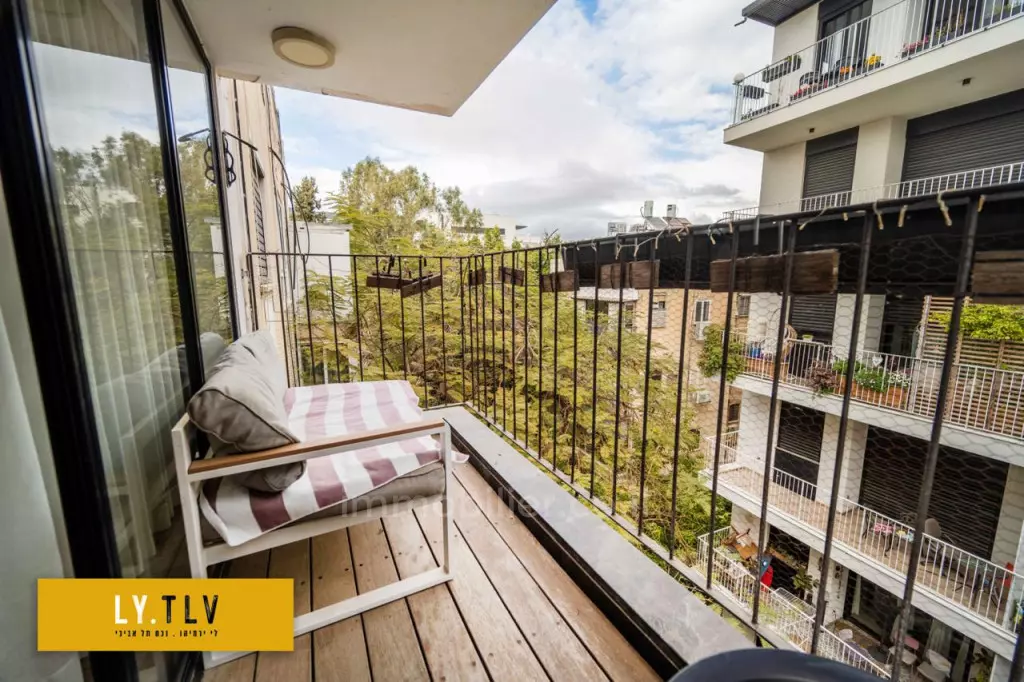 Exclusive Sale 6
Magnificent 2-room apartment for sale near Kikar Rabin and Chen Boulevard
16 April 2026 Apartment
Lev Tel Aviv
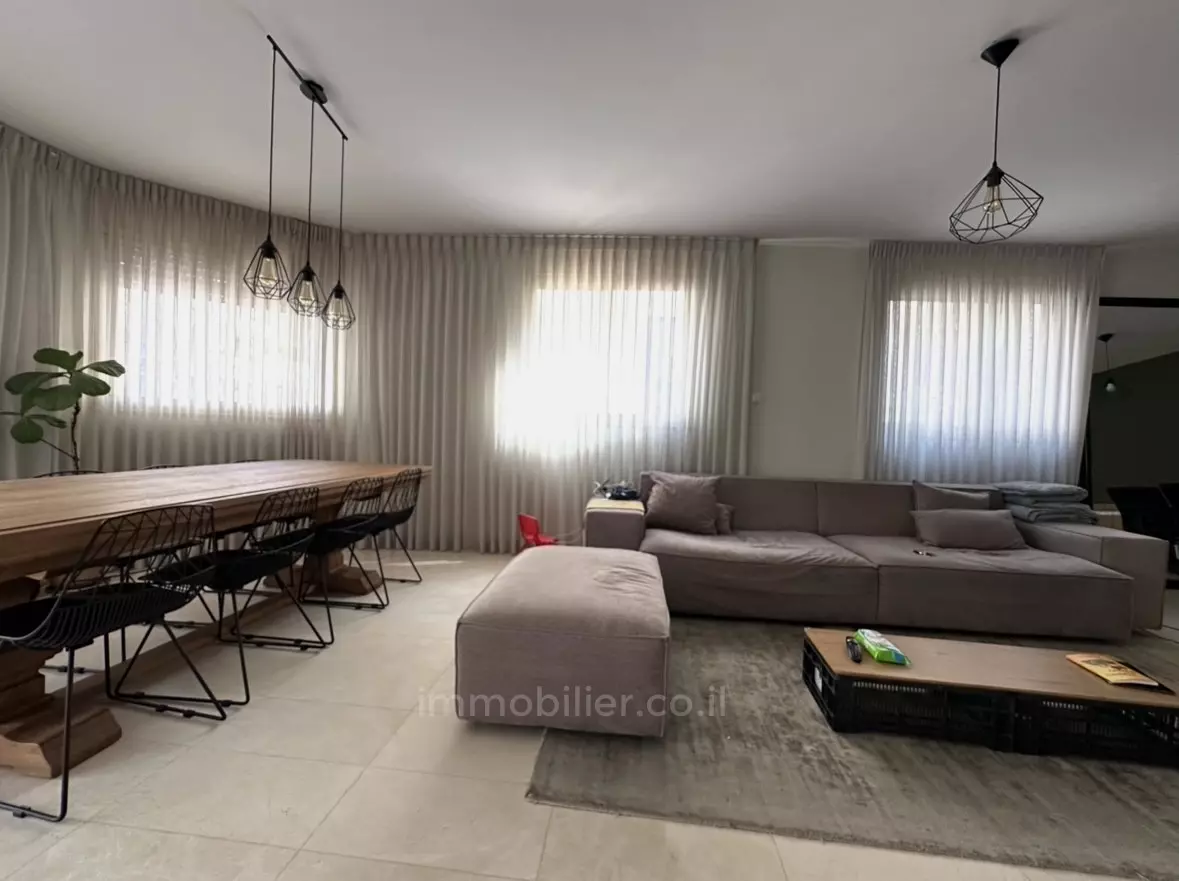 Recommandé Sale 6
With terrace, quiet, close to the sea, not to be missed! Well laid out, bright, spacious, magnificent, renovated
15 April 2026 Apartment
quarter of the sea
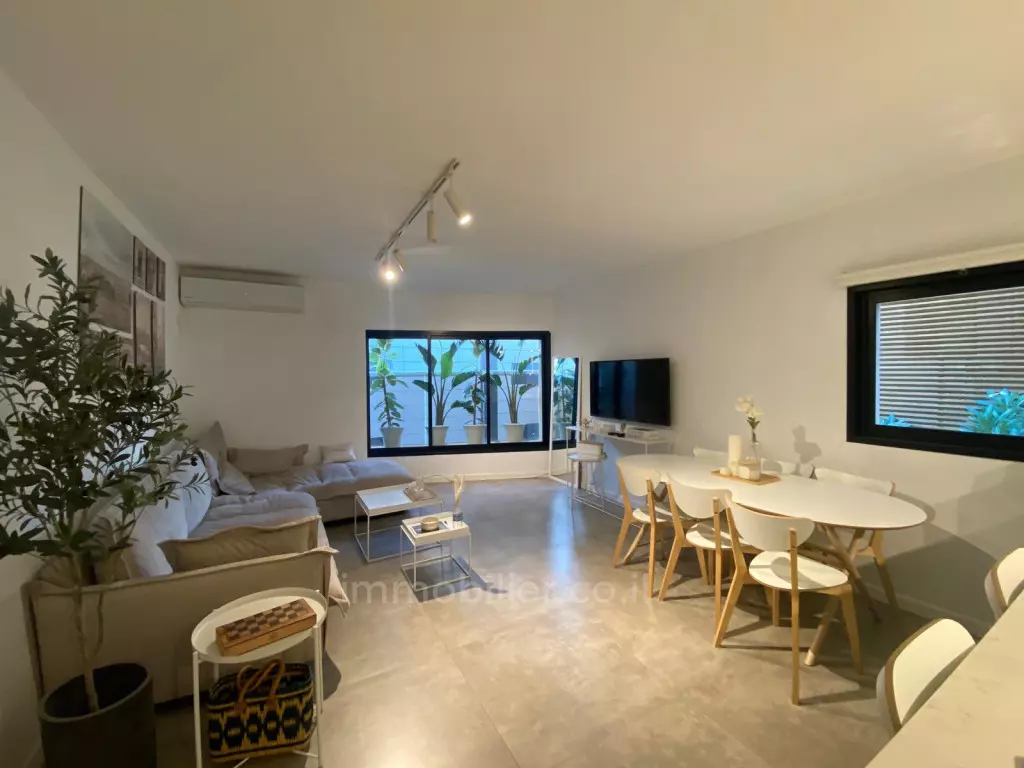 Sale
Sale
 Exclusive Sale 6
Lassalle Street near sea - Rare property
15 April 2026 Apartment
quarter of the sea